
Loading...
Serving Dublin, CA and surrounding areas. (925) 536-0012
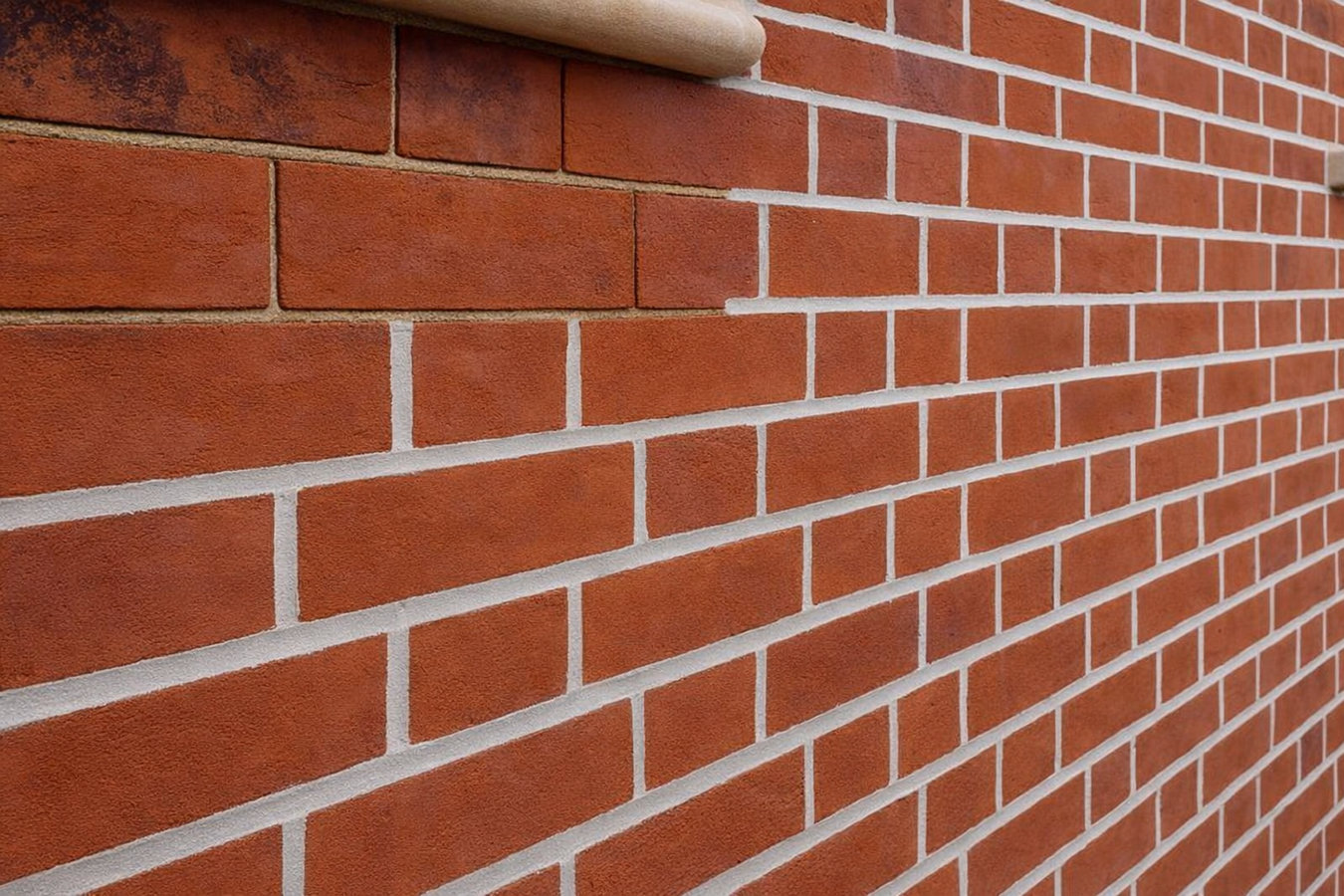
Dublin winters bring concentrated rainfall that goes straight into crumbling mortar joints - pointing work done before the rainy season protects your walls, chimney, and planters from moisture damage that gets worse every year you wait.
Brick pointing in Dublin, CA is the process of removing worn or crumbling mortar from the joints between bricks and packing in fresh material - a standard chimney or small wall section takes one to two days, while the new mortar reaches full strength over about 28 days. The mortar between bricks is designed to be softer than the bricks themselves, which means it absorbs movement and moisture so the brick does not crack. That softness also means it wears out first - typically within 25 to 30 years. Dublin's Mediterranean climate, with concentrated winter rainfall and hot dry summers, puts that cycle under extra pressure and can accelerate joint deterioration, especially on chimneys and exterior walls with full sun exposure.
Dublin grew rapidly from the 1970s through the 1990s, and a large share of homes built during that era are now hitting their first major repointing window. Brick veneer on chimneys, planters, and retaining walls built 30 to 40 years ago needs close attention - especially if it has never been touched since construction. If your wall has more going on than surface mortar wear - diagonal cracks that suggest the footing has moved, for example - our foundation repair team can assess whether the underlying movement needs to be addressed before the joints are refilled.
Most standard repointing jobs in Dublin do not require a city permit - but we will confirm that for your specific situation during the assessment so there are no surprises.
Walk up to any brick wall, chimney, or planter and press your thumb firmly against a mortar joint. If it feels soft, powdery, or flakes away with light pressure, the mortar has lost its integrity. This is the clearest sign that pointing work is overdue - and the sooner you address it, the less likely water is to get behind the bricks and cause damage that is more expensive to fix than the pointing itself.
That chalky white residue you sometimes see on brick walls is called efflorescence - mineral salt that water carries out of the masonry as it moves through. It is a visible sign that water is getting into the wall somewhere, and failed mortar joints are the most common entry point. If you are seeing white staining after Dublin's winter rains, it is worth having the joints inspected before the next wet season.
Dublin clay soils shift seasonally, and that movement often shows up as diagonal cracking in brick walls - especially near corners, above windows and doors, or at the base of a chimney. These cracks do not always mean the structure is failing, but they do mean the mortar joints in that area have been stressed. Do not assume a crack is cosmetic without having someone look at it in person - the cause determines the right fix.
Chimneys take more weather exposure than any other masonry on your home - fully exposed to rain, sun, and temperature swings year-round. If your home was built in the 1970s through 1990s and the chimney has never been repointed, there is a good chance the joints need attention even if nothing looks obviously wrong from the ground. A close-up inspection is the only way to know for sure, and catching it early avoids interior water damage after a wet winter.
We start every pointing job by removing the old mortar to the correct depth - typically about three-quarters of an inch - deep enough to get a solid mechanical bond with the new material. Cutting too shallow is one of the most common shortcuts in repointing work, and it produces repairs that fail within a few years instead of lasting 25 to 30. Once the old material is out, we pack fresh mortar in by hand, tool the surface to match the original joint profile, and clean the wall as we go. Before any significant amount of work is done, we run a test patch on a small section and let it dry completely - mortar looks noticeably darker when wet than when dry, and skipping that step is how color mismatches end up staring back at you every time you look at your wall.
For situations where pointing alone is not enough - bricks that are spalling, walls that are bowing outward, or damage that signals a structural problem behind the surface - we are honest about it. A trustworthy mason tells you when pointing will not fix the problem before you spend money on a repair that will come back. When the underlying issue involves the foundation or footing, our foundation repair service addresses the root cause. When you want the clean two-tone joint finish of decorative work, our tuckpointing service goes a step further than standard mortar replacement.
For Dublin homes built in the 1970s through 1990s where original chimney mortar has reached or passed its service life - assessed from up close, not just from the ground.
For exterior garden walls, raised planters, and boundary walls showing crumbling joints or white staining - matched to existing mortar color before work proceeds.
For mortared brick retaining walls with weathered joints that are letting water into the wall face - restored without disturbing the structural components behind them.
For localized areas of mortar failure rather than a full repoint - assessed on-site to confirm the damage is contained and pointing is the right fix for what you are seeing.
Dublin has a classic Northern California Mediterranean climate - dry, hot summers and wet winters with most rainfall concentrated between November and March. That wet-dry cycle is hard on mortar joints: they absorb moisture in winter, then dry and contract in summer heat, year after year. This repeated movement can cause Dublin homeowners to see mortar deterioration faster than they might expect compared to areas with more even rainfall distribution. The best window for pointing work here is late spring through early fall - when conditions are dry and temperatures are moderate - which gives fresh mortar the curing time it needs without the interference of winter rain or extreme summer heat. Homeowners in Livermore deal with the same climate conditions, and scheduling before the rainy season is the same advice we give throughout the Tri-Valley.
Dublin also has a large share of homes built between the 1970s and 1990s - particularly in older parts of the city near the historic downtown. Brick veneer on homes from that era is now 30 to 50 years old, which puts it squarely in the window where original mortar commonly needs attention. If your home was built during that period and has never had pointing work done, the chimney and any exterior brick features are worth a close look before the next rainy season arrives. Dublin clay soils add another layer: the seasonal ground movement that is normal here stresses mortar joints from below, which is why diagonal cracking near wall corners is a familiar sight to masons working in this part of Alameda County.
Call or fill out the contact form and tell us what you are noticing - soft mortar, white staining, visible gaps, diagonal cracks. We will ask a few quick questions and schedule a site visit. We respond within one business day.
We inspect the wall, chimney, or structure up close - using a ladder where needed for chimneys. We check how deep the mortar damage goes, whether the bricks are sound, and whether the color can be matched. You get a written estimate with the full scope before any work begins.
Before the crew works any significant area, we run a test patch in a small section and let it dry completely. Mortar looks darker when wet - judging color before it dries leads to mismatches. Confirming the color match while dry takes an extra step, but it saves a much bigger frustration later.
The crew removes old mortar to depth, packs in fresh material, tools the joints, and cleans the wall as they go. Most jobs on a chimney or single wall section finish in one full day. Fresh mortar needs to stay dry for 24 to 48 hours - we tell you exactly what to watch for before leaving.
We come out, take a close look at what you are dealing with, and give you a written estimate with no obligation. Contact us today and we will get back to you within one business day.
(925) 536-0012Shallow pointing - removing less than three-quarters of an inch of old mortar - is the most common shortcut in this trade, and it produces repairs that fail within a few years. We remove to depth on every joint before new material goes in, because a repair that lasts 25 to 30 years is the only kind worth doing.
We run a test patch on every job and let it dry completely before proceeding - because mortar looks different wet than dry and a mismatch is visible every time you look at the wall. This one step prevents the most common complaint homeowners have after a pointing job, and we do it as standard practice, not as an add-on.
If your bricks are spalling, your wall is bowing, or the cracks you are seeing suggest a structural issue behind the surface, we will tell you that before any work begins - not after. A repair done over a problem that needs structural attention will fail and cost you more. We assess first and recommend only what will actually solve the problem.
Older Dublin homes often need a softer mortar mix than what is used in new construction - using the wrong type can damage the bricks over time. We know the housing stock in this area, the age ranges where this matters most, and how to match both the mortar type and color to brickwork that was laid decades ago.
Pointing done right protects your investment and holds up through Dublin winters without needing to be redone in five years. The Brick Industry Association publishes standards for mortar joint repair that guide how the work should be done - we follow those standards on every job, not just the ones where someone is watching.
If diagonal cracks in your brickwork trace back to footing or foundation movement rather than surface mortar, foundation repair addresses the root cause before repointing the joints.
Learn MoreTuckpointing restores the clean, two-tone joint appearance on decorative brickwork - a finishing technique that goes a step further than standard mortar replacement.
Learn MoreWe are booking jobs now - the best time to get this done is before Dublin's winter rains arrive, and slots fill up fast each fall.