
Loading...
Serving Dublin, CA and surrounding areas. (925) 536-0012
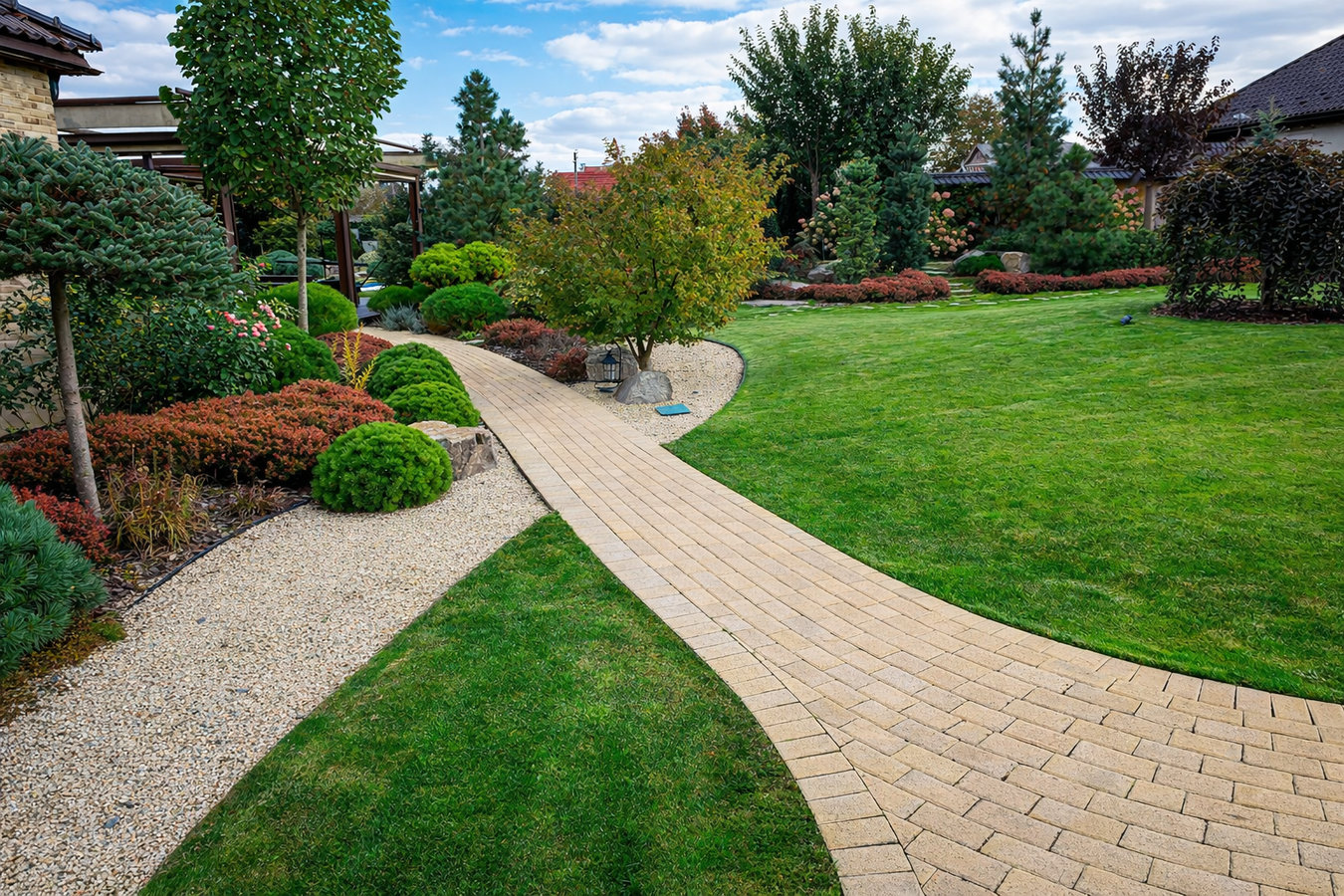
Dublin clay soils shift every wet season - a walkway without the right base will crack and sink within a couple of years. We build paths that drain correctly, hold level, and pass City of Dublin inspection.
Walkway construction in Dublin, CA starts with excavating the existing ground, compacting a gravel base, and then installing your chosen surface material - concrete, pavers, or natural stone - and most residential front-path projects take one to three days from start to finish, with concrete needing additional curing time before regular foot traffic is safe. What most homeowners never see is the base work: how deep the crew digs, what they compact underneath, and how they slope the surface to drain water away from the house. In Dublin, where clay soils expand and contract with every wet and dry season, that prep work is what determines whether your walkway holds up for 30 years or starts sinking after the first rainy season.
Most people contact us because their current front path is cracked, uneven, or draining water toward the foundation rather than away from it. Others are building or renovating and want a path that matches the rest of their hardscape. If you are planning a larger outdoor project, our driveway pavers service can coordinate the same material and base spec so your path and driveway work as one connected system.
Dublin City permits are required for most new walkway construction above a certain size. We handle that process so you do not have to.
If you can see cracks wider than a hairline running across your walkway - especially ones that have grown over time - the surface has been stressed beyond what it can handle. In Dublin, this is often caused by the clay soil underneath swelling and shrinking through wet and dry seasons, pushing up against the concrete from below. Small cracks can sometimes be patched, but widespread cracking usually means the base has failed and the whole walkway needs to be rebuilt.
Walk your entire path slowly and pay attention to whether any sections shift under your weight or feel noticeably higher or lower than the ones next to them. Uneven sections are a trip hazard - especially for older family members or guests - and they tend to get worse over time as water gets into the gaps and the soil beneath continues to move. This is a sign the base layer has settled unevenly and the walkway needs professional attention.
After a winter rainstorm, go outside and look at your walkway. If water is sitting in puddles on the surface rather than running off to the side, the walkway has either settled out of level or was never sloped correctly to begin with. In Dublin's rainy season, standing water on a walkway can accelerate surface deterioration and, if it is near your foundation, can cause bigger problems over time.
If your home was built during Dublin's rapid growth period and you have never replaced the original walkway, it may be approaching or past its expected lifespan. Builder-installed concrete from that era was often thinner and less carefully prepared than what a masonry contractor would install today. Even if it looks okay on the surface, the base may have degraded and replacement is more cost-effective than continued patching.
Every walkway we build starts with excavation and a compacted gravel base - the depth and compaction spec vary based on the soil conditions at your specific property. In Dublin neighborhoods built on clay, we dig deeper and compact more carefully than a minimum-spec job would require. The drainage slope - a slight pitch away from your home - is set during base prep so the finished surface sheds water naturally, not toward your foundation. Whether the surface material is poured concrete, concrete pavers, or natural stone, the base work is the same.
For homeowners replacing an existing path, we handle demolition and debris removal before the new base goes in. If your current walkway connects to a driveway that also needs work, our driveway paver service can coordinate both projects so the materials and grades match. For clients who want a hardscape border defining their path or yard, our brick wall installation service works well as a companion scope - built at the same time so the footings and grading are coordinated from the start.
The most affordable and lowest-maintenance option - suited for homeowners who want a clean, durable front path without a lot of ongoing upkeep.
Concrete or brick pavers cost more upfront but allow individual sections to be replaced without disturbing the whole surface - a good fit for yards where tree roots may cause future movement.
Flagstone and similar materials give a distinctive look that pairs well with traditional or craftsman-style Dublin homes - requires a skilled installer to set properly on a stable base.
For paths with isolated cracks or drainage problems that can be resolved without full replacement - assessed on-site before any work begins.
Dublin sits on clay-heavy soil throughout most of its residential neighborhoods. That soil expands when it absorbs winter rain and shrinks back in summer heat - a cycle that repeats every year and puts steady stress on any hard surface laid on top of it. A walkway built on a shallow or poorly compacted base will reflect that stress quickly, usually within two or three wet seasons. The gravel base layer beneath your walkway is what absorbs that movement before it reaches the concrete or pavers above. Getting that base right is especially important here compared to areas with more stable sandy or loam soils. Homeowners in established neighborhoods like Pleasanton and in newer planned communities across the Tri-Valley see the same soil conditions, and a correctly built base is the difference between a path that lasts decades and one that needs attention every few years.
Dublin also has a large share of homes built during the 1990s and 2000s construction boom, and many of those original builder-grade walkways are now 20 to 30 years old. Builder-installed concrete from that era was often thinner and less carefully prepared than what a dedicated masonry contractor installs today. If your home was built during that period and you have never replaced the front path, there is a real chance it is approaching the end of its useful life. Homeowners in San Ramon and other Tri-Valley cities deal with the same aging builder-era concrete, and the conversation about repair versus replacement is one we have with homeowners regularly across this region.
Send a message or call and we will get back to you within one business day. We ask a few basic questions upfront - roughly how long the path is, what material you are thinking about, and whether you have an HOA - so we come to your property prepared.
We visit your property to measure the area, assess the existing ground conditions, and confirm the drainage slope away from your home. This is also when we confirm whether a City of Dublin permit is required and, if so, handle that application on your behalf - you should not need to navigate the permit office yourself.
The crew digs out the area to the correct depth, removes any old material, and compacts a gravel base layer. This is the most important phase of the project - the base depth is set specifically for Dublin clay soil conditions, not a standard spec from another region.
Once the base is ready, the surface material goes in - poured, smoothed, and finished for concrete, or set piece by piece for pavers and stone. We walk you through the finished path, point out the drainage slope, and let you know the curing window before heavy use.
Free on-site estimate. We handle the City of Dublin permit. No pressure, no obligation - just a clear written quote before any work starts.
(925) 536-0012We dig and compact to a depth that accounts for Tri-Valley clay soil movement - not a one-size-fits-all minimum. That is the single biggest factor in how long a walkway holds up here, and it is something you will not see the difference in until a few wet seasons have passed.
Most new walkway projects in Dublin require a city permit. We submit the application, pay the fee, and schedule the inspection. You get a written record that the work was reviewed and approved - which matters if you refinance or sell. If a contractor tells you a permit is not needed without checking, that is worth questioning.
A large share of Dublin's planned communities - including neighborhoods in the Positano and Fallon Village areas - have architectural review requirements for exterior hardscape. We ask about your HOA before the design is finalized and can help you prepare a submission that meets the guidelines, so you are not stuck redoing approved work at your own cost.
A walkway that slopes toward your home pushes rainwater at your foundation every winter. We set the drainage pitch away from your house as part of the base work - not as an afterthought. The Interlocking Concrete Pavement Institute publishes installation guidelines we follow for paver projects specifically to ensure drainage is built in from the start.
Every one of these details comes from doing this work specifically in Dublin and the surrounding Tri-Valley cities - not from a generic playbook. We know what the soil does here, what the city requires, and what the HOAs in these neighborhoods typically ask for. The Interlocking Concrete Pavement Institute sets the installation standard we follow for paver work, and the City of Dublin Building Division is where we pull permits for every job that requires one.
Handlaid brick walls for Dublin yards - garden borders, privacy walls, and boundary walls built with deep footings for clay soil.
Learn MorePaver driveway installation that extends the same hardscape material from your front path to your parking area for a unified look.
Learn MoreSpring booking slots fill quickly - reach out now for a free on-site estimate and lock in your project before the summer heat arrives.