
Loading...
Serving Dublin, CA and surrounding areas. (925) 536-0012
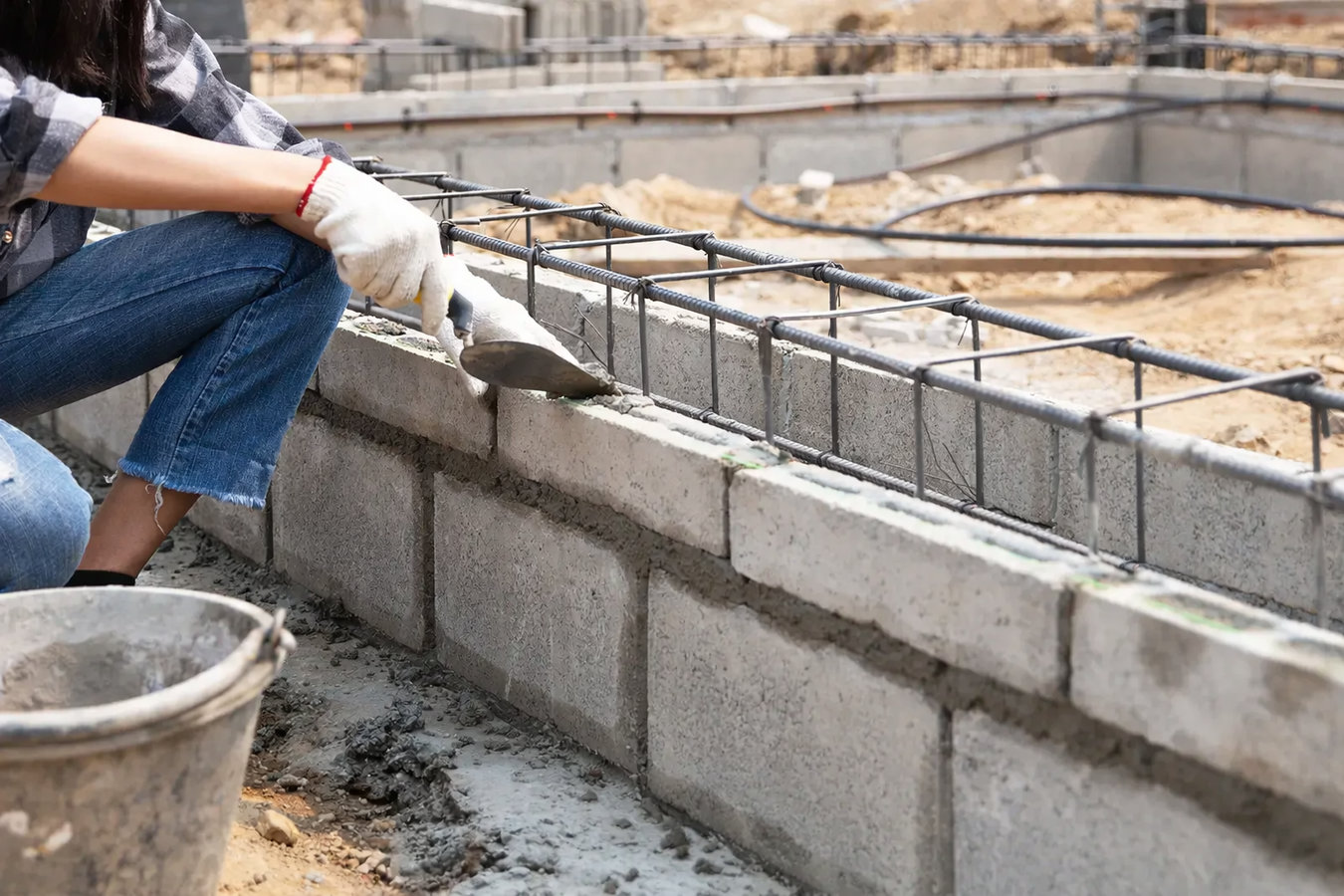
Dublin clay soils and proximity to active fault lines demand a foundation wall with the right footing depth, seismic reinforcement, and exterior waterproofing - not just one that looks solid from the outside.
Foundation block wall installation in Dublin, CA means building a structural concrete block wall that supports the weight of your home and separates it from the surrounding soil - a crew excavates the area, prepares a level concrete footing, lays the blocks in courses with mortar and steel reinforcement, and finishes with exterior waterproofing before backfilling, with a standard residential section typically taking three to seven days of active work once the permit is in hand.
Most homeowners in Dublin contact us when they notice something - a crack they have been watching, a door that no longer closes the same way, or water on the floor of a crawl space after a wet winter. Sometimes the call comes from someone whose inspector flagged the foundation during a sale. In all of these cases, knowing what you are actually dealing with is the first step, and a site visit is the only way to do that accurately.
For homeowners whose foundation concerns include cracking or settlement in walls that were not originally block construction, our foundation repair service covers a broader range of structural remediation - including situations where the existing wall can be stabilized rather than replaced.
Horizontal cracks or stair-step cracks running along mortar joints are a sign the wall is under stress - not just settling. In Dublin, the clay soil that expands in winter and contracts in summer is one of the most common causes of this kind of cracking in older foundations. A crack you can fit a quarter into is worth having a professional assess before another rainy season adds more pressure.
When a foundation wall shifts or settles, the frame of your house can shift with it - and the first place you often notice it is in doors and windows that used to open and close smoothly. This pattern is especially common in Dublin after a dry summer followed by a wet winter, when the clay soil has gone through a full expansion-and-contraction cycle. Multiple doors sticking in the same part of the house at the same time is a pattern worth investigating.
Stand back and look at your foundation wall from a distance. Any section that appears to bow inward or lean rather than stand straight is a structural warning sign. This kind of movement usually means soil pressure on the outside of the wall has become more than the wall can handle on its own - and it does not improve on its own.
Damp spots, white powdery deposits (mineral salts left when water evaporates through block), or actual pooling near your foundation after rain all signal that moisture is getting through. Dublin winters push a lot of water against foundation walls, and a wall without proper exterior waterproofing - or one whose waterproofing has aged out - will start showing it. This is usually a slow problem that gets significantly worse if ignored through another wet season.
Every foundation block wall we install starts with a site assessment - not a phone quote. We need to see the existing footing condition, the soil around the wall, and the drainage situation before we can tell you what the job actually requires. Some walls need full replacement; others need a targeted repair or drainage correction to stop the problem causing the damage. We will tell you which one applies to your home and why.
For new installations and full replacements, the scope includes excavation, footing preparation or repair, block laying with mortar, seismic-grade steel reinforcement through the block cores, exterior waterproofing, and backfill after the wall passes city inspection. For homeowners who also need work beyond the foundation wall itself - such as addressing a larger structural settling concern - our outdoor kitchen masonry team can also help with the concrete base and structural masonry work that often follows a foundation project in Dublin backyards.
For Dublin homeowners adding a new foundation section, finishing a crawl space, or building a block wall where none currently exists - includes permit filing, full excavation, and inspection-ready construction.
For walls that have moved significantly, failed waterproofing, or were built before current seismic standards - demolition of the existing wall and rebuild to current Dublin code.
For walls with localized cracking or minor movement that does not require full replacement - targeted block replacement, re-pointing, and drainage correction to stop further movement.
For foundation walls that are structurally sound but allowing moisture through - exterior waterproof coating and drainage correction before backfill causes the problem to repeat.
Dublin sits in the Tri-Valley, where the soil is heavily clay-based throughout most residential neighborhoods. Clay soil absorbs water and swells during winter rains, then shrinks and pulls away from structures during dry summers. That repeated movement is one of the most common reasons older block foundations in this area develop cracks or start to lean - and why a footing depth and drainage spec that might be adequate in another climate is not adequate here. The City of Dublin Building and Safety Division requires permits and multi-stage inspections for structural foundation work, which means an independent city inspector signs off on the reinforcement and the completed wall. For homeowners in San Ramon and nearby communities, the same Tri-Valley soil conditions apply - and the same construction standards follow.
Dublin also sits near the Calaveras and Hayward fault systems, placing it in a high seismic hazard zone. California building code requires foundation walls in this area to be reinforced with steel rods inside the hollow block cores, filled with concrete - giving the wall flexibility and strength under seismic loading. Older homes, particularly those built in the 1960s and 1970s in Dublin's original neighborhoods, often have foundations that pre-date these requirements. Replacing an older wall to current code is a genuine safety upgrade, not just a cosmetic one. Homeowners in Pleasanton dealing with similar vintage foundations face the same set of local conditions and building requirements.
When you reach out, we ask a few basic questions - the age of your home, what you are seeing, and whether previous foundation work has been done. We reply within one business day and schedule a free on-site visit, because foundation work cannot be priced accurately over the phone.
We inspect the existing wall, footing condition, soil, and drainage. You receive a written estimate that itemizes excavation, materials, reinforcement, waterproofing, and permit fees - every line explained before you decide anything. No surprises on the final invoice.
We submit the permit application to the City of Dublin Building and Safety Division on your behalf. Approval typically takes two to four weeks. No digging starts before the permit is in hand - a contractor who suggests otherwise is cutting a corner that will matter when you sell.
With the permit approved, the crew excavates, prepares the footing, lays the blocks with mortar and steel reinforcement, and coordinates city inspections at key stages. After the wall passes final inspection, exterior waterproofing is applied and the area is backfilled and restored.
We come to your Dublin home, assess the wall in person, and give you a written quote - no obligation, no pressure, and a straight answer about what you are actually dealing with.
(925) 536-0012Every footing depth and drainage spec we use accounts for the expansive clay soil in Dublin's neighborhoods - the same soil that causes walls built to minimum standards to crack within a few wet seasons. We do not apply a one-size-fits-all spec to a soil condition that demands local knowledge.
We apply for and manage the permit through the City of Dublin Building and Safety Division on every foundation project. That means a city inspector - not just our crew - verifies the reinforcement and the completed wall. You receive the signed inspection record to keep with your home documents.
Dublin falls within a high seismic hazard zone near the Calaveras and Hayward faults. Steel reinforcement through the block cores and filled with concrete is not an upsell on our jobs - it is how we build every foundation wall. The California Contractors State License Board (CSLB) verifies that licensed masonry contractors meet the training and exam requirements to do this work legally in California.
Exterior waterproofing is part of the standard scope on every foundation wall we install - applied before the soil is backfilled. A foundation wall without it will eventually allow moisture through, especially during Dublin's wet winters. We do not offer it as an optional line item.
Foundation work requires both the right technical approach and genuine familiarity with local soil, seismic, and permit conditions. Those two things together are what separates a wall that holds for decades from one that develops problems again within a few years. Learn more about contractor licensing requirements at the California Contractors State License Board or verify seismic hazard mapping through the California Geological Survey.
Permanent masonry outdoor kitchen structures built on properly reinforced concrete bases designed for Dublin clay soil conditions.
Learn MoreStructural repair for existing foundations showing cracks, settlement, or moisture intrusion common in Dublin's older housing stock.
Learn MoreDublin's dry season fills up fast - lock in your project start date before fall rains arrive and permit slots tighten.