
Loading...
Serving Dublin, CA and surrounding areas. (925) 536-0012
Dublin clay soils and Bay Area seismic conditions require a brick wall built on a deep concrete footing with proper reinforcement - not one that looks right but skips what the inspector will actually check.
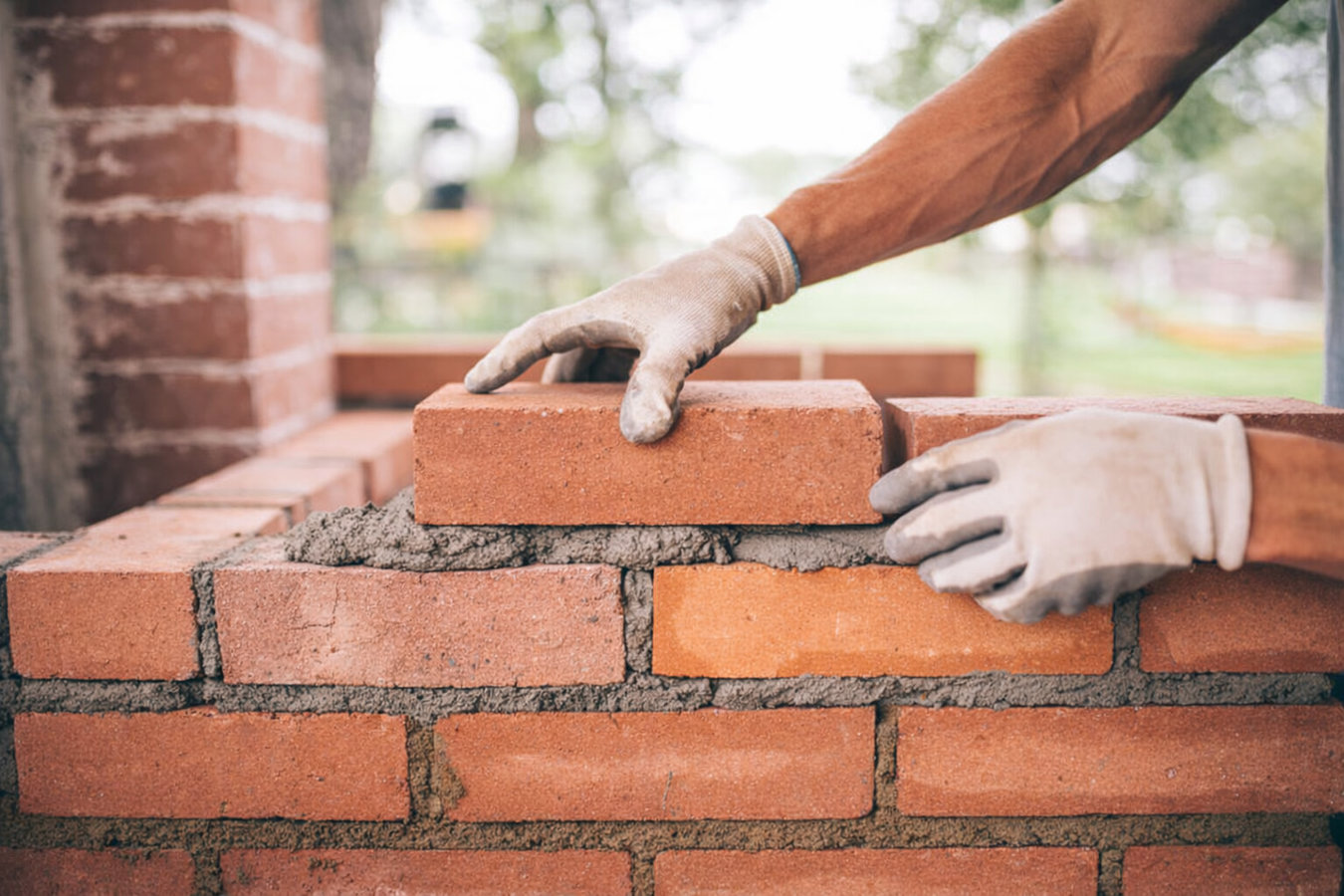
Brick wall installation in Dublin, CA means digging down to stable soil, pouring a concrete footing and letting it cure, then laying individual bricks course by course with mortar - a short garden wall might take two to three days, while a longer privacy wall or boundary wall can run a week or more depending on height, length, and whether a permit and inspection are required. The footing is the part most homeowners never think about, but it is what keeps the wall straight through years of clay soil movement and dry-season heat. A wall that starts leaning or cracking within a few years almost always traces back to a footing that was too shallow for the soil underneath.
Most people contact us because they are adding a patio, pool, or outdoor living space and need a privacy wall to go with it. Others have an existing wall that is leaning or showing failing mortar joints and want to know whether repair or replacement makes more sense. If your wall needs repair rather than a full rebuild, our brick repair service assesses the condition honestly before any work begins.
For walls above three feet in Dublin, a city building permit is required. We handle the application, the plan check, and the inspection schedule so you do not have to.
If your current wall is no longer standing straight - leaning toward one side, showing diagonal cracks through the bricks, or separating from its base - the footing has shifted or failed. In Dublin, this is often caused by clay soil expanding and contracting with the wet and dry seasons. A leaning wall is not just a cosmetic problem; it can fall, and it is worth having a mason look at it before the next rainy season.
Run your finger along the joints between bricks on an older wall. If the mortar feels soft, sandy, or crumbles away easily, the wall has lost structural integrity. This is especially common on walls that were built more than 20 years ago and have gone through Dublin's summer heat cycles year after year. Left alone, water gets into those gaps, accelerates the damage, and eventually the wall needs full replacement rather than repair.
Dublin's warm climate makes outdoor living spaces genuinely usable for most of the year, and many homeowners are adding patios, outdoor kitchens, or pool areas. A brick wall provides privacy, defines the space, and holds up to heat far better than wood fencing. If you are planning a major outdoor project, it makes sense to include the wall in the same scope of work so the footings and grading are coordinated.
In many of Dublin's established neighborhoods, low brick walls along the front property line are a common feature that adds character and value. If your neighbors have them and you do not - or your current front boundary is just a hedge or chain-link fence - a brick wall can meaningfully improve how your home looks from the street. It is one of the few exterior upgrades that tends to hold its value well in the Tri-Valley real estate market.
Every brick wall we build starts with the footing - a poured concrete base set at a depth appropriate for the soil conditions at your specific property. Dublin clay soil requires a deeper footing than standard specs assume, and we account for that before the first brick goes in. For walls above the height threshold for Dublin permits - generally three feet - steel rebar runs vertically through the wall and the cores are filled with grout, meeting the seismic reinforcement requirements the city inspector will check. Mortar joint width and finish are kept consistent across the wall so the finished product looks as clean as the structural work underneath it.
For homeowners who want the durability of masonry but prefer a natural stone look, our stone masonry service builds walls from natural stone using the same deep footing approach. For homeowners dealing with an existing brick wall that has cracks or failing mortar but is otherwise sound, our brick repair service handles targeted repairs without tearing down what is still working.
Low brick walls for raised planters, garden borders, or yard features - simpler footing requirements and faster project timelines than taller privacy walls.
Walls along property lines or behind a patio - built to HOA-compatible heights and finishes, with permits handled where required by Dublin code.
For sloped Dublin lots where brick is the desired material and the wall will hold back soil - footing and drainage specs matched to the load and soil type.
For walls with crumbling joints or localized brick damage that can be restored without full demolition - assessed on-site to confirm repair is the right call.
Dublin sits in the Tri-Valley area of Alameda County, where the underlying soils contain a significant amount of clay. That clay expands in winter rain and shrinks in summer heat - a cycle that puts real stress on any masonry footing that was not designed with it in mind. A contractor who skips a deep footing on Dublin soil is not cutting a corner that will be invisible forever; they are setting up a wall that will start to lean within a few wet seasons. The City of Dublin requires permits for most brick walls over three feet tall, and the permit process includes a city inspection that covers the footing and reinforcement - which means there is a third-party check on whether the structural work was done correctly. Homeowners in newer planned communities near Danville and throughout the Tri-Valley face the same soil and seismic conditions, and the footing standards we apply here are consistent across every job in this region.
A large share of Dublin's residential neighborhoods - especially the developments east of Dougherty Road built in the 2000s and 2010s - are governed by homeowners associations with architectural review processes. Those rules often cover wall height, setback distance from the property line, and sometimes brick color or finish. Before any design is finalized, we ask about your HOA and review the guidelines with you so the finished wall is something your association will approve - not something you have to tear out and redo. Homeowners across the broader East Bay, including those in Concord and similar planned communities, run into the same HOA review requirements, and navigating that process is something we handle regularly.
Call or send a message and we will get back to you within one business day. We ask a few basic questions upfront - what kind of wall you have in mind, roughly how long or tall, where it will go, and whether you have an HOA. This helps us come to your property prepared.
We visit your property to look at the site conditions, measure the area, check soil and slope, and talk through brick style and wall design options. If a City of Dublin permit is required, we confirm the process and timeline at this visit and handle the application on your behalf.
Once any required permit is approved, we clear the area and dig down to stable soil. The concrete footing is poured to a depth appropriate for Dublin clay conditions - deeper than standard specs in most cases - and allowed to cure for at least a full day before bricklaying begins.
With the footing set, we lay bricks course by course, checking level and alignment throughout. For permitted walls, the city inspector visits after the work is complete. Mortar needs 24 to 48 hours before the wall is touched, and it reaches full strength over the following few weeks - we walk you through the curing window before we leave.
Free on-site estimate. We handle the City of Dublin permit and HOA submission. Written quote before any work begins - no surprises at the end.
(925) 536-0012We dig to stable soil below the active clay layer - not to a standard minimum that works somewhere else. That is what keeps your wall straight through years of Tri-Valley wet and dry seasons. A footing built to the right depth here will outlast one built to a generic spec by decades.
For walls above the height threshold, steel rebar and grout fill are included in the original design and quote - not mentioned as a change order after the footing is already poured. The East Bay's seismic requirements are a fact of building here, and we account for them from the start.
A large portion of Dublin's residential neighborhoods have HOA architectural review requirements covering wall height, setback, and materials. We ask about your HOA before finalizing any design and can help prepare a submission that meets the guidelines - so you are not stuck tearing out completed work because the association was not consulted.
We submit the permit application, manage the plan check, and schedule the city inspection for every brick wall project that meets Dublin's permit threshold. The finished work is on record - which protects you at resale and confirms the job was built to code by an independent reviewer. Verify any California contractor's license on the California Contractors State License Board before signing anything.
These are not generic selling points - they are the specific things that matter when you are building a brick wall in the Tri-Valley. The Brick Industry Association publishes the installation standards we follow for material selection and joint finishing, and the California Contractors State License Board is where you can verify that any contractor you hire is licensed and in good standing before you sign anything.
Natural stone walls and features for Dublin properties - a higher-end alternative to brick with a distinctive look that holds up to Tri-Valley heat.
Learn MoreRepair of cracked, spalled, or damaged brick on existing walls and structures before the damage spreads to the mortar joints.
Learn MoreSpring and fall booking slots fill fast - reach out now for a free on-site estimate and lock in your project before the best masonry weather arrives.