
Loading...
Serving Dublin, CA and surrounding areas. (925) 536-0012
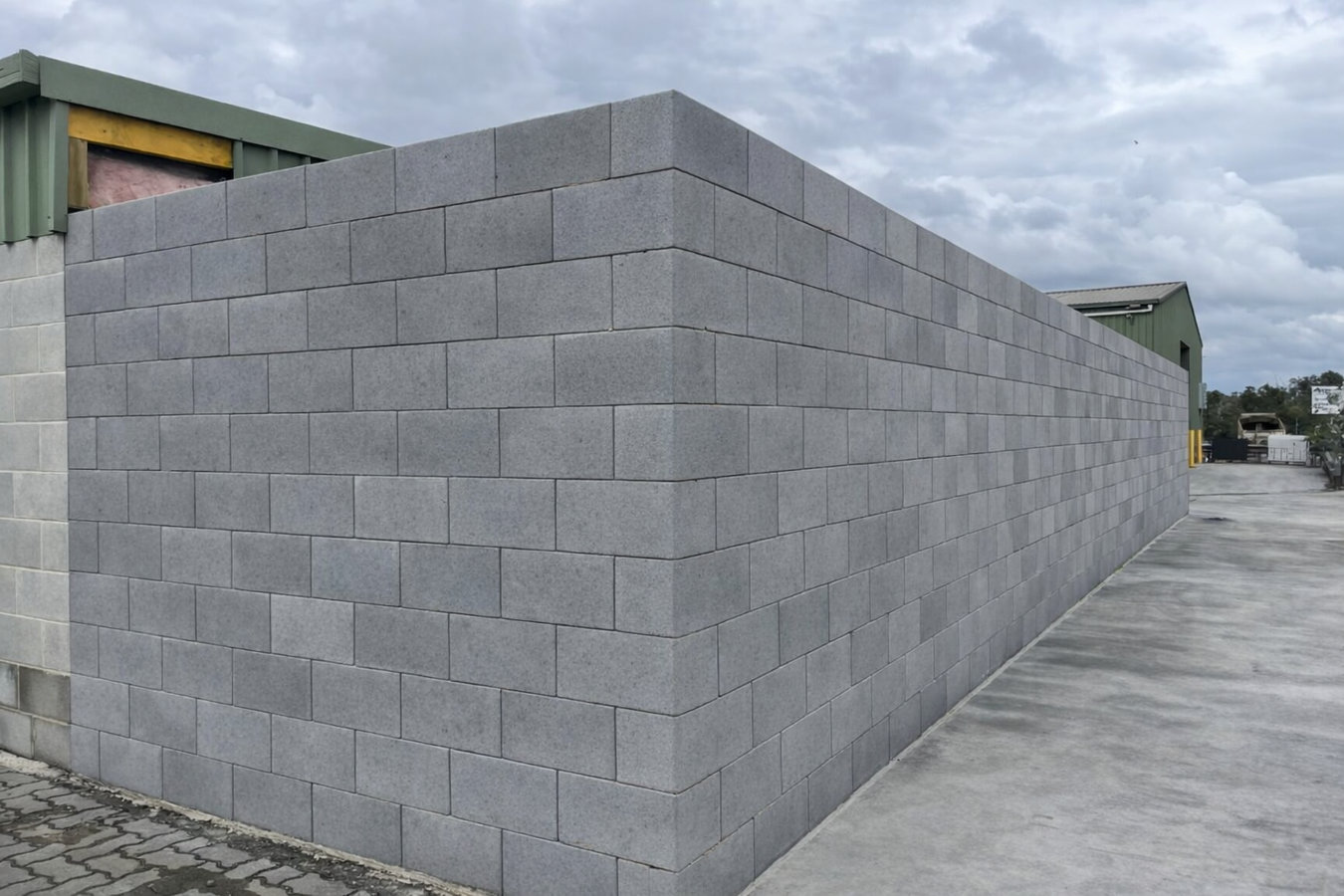
Dublin clay soils and Bay Area seismic conditions demand a block wall built with the right footing depth, steel reinforcement, and drainage - not one that looks solid but skips what you cannot see.
Concrete block walls in Dublin, CA are built from individual blocks stacked in rows and held with mortar, with a concrete footing poured below grade before the first block goes in, and a standard residential wall of 30 to 50 linear feet typically takes a crew two to four days to complete. What most homeowners never see - the footing depth, the steel reinforcement running through the hollow block cores, and the drainage layer behind a retaining wall - is what separates a wall that stands for decades from one that starts cracking or leaning within a few years. In Dublin, where clay soils shift seasonally and seismic loading requirements apply, those hidden elements are not optional extras.
Most people contact us because they need to hold back a slope, create a property boundary, or build a garden feature that can handle real use without failing. Others come with an existing wall that has started to lean or crack - often because drainage was never installed or the original footing was not deep enough for local soil conditions.
For homeowners dealing with a slope that also needs a structure to hold it in place at a larger scale, our retaining wall construction service covers engineered systems for hillside lots - where footing depth and drainage are even more critical than on flat ground.
Stand at one end of your wall and sight down its length - it should look straight. A wall that curves, leans, or pushes outward is telling you the soil pressure behind it has become too much, often because drainage was never installed or has failed. In Dublin, clay soils expand and contract with every wet and dry season, making this kind of movement especially common and consistently worse each year if left unaddressed.
Small surface cracks in mortar are normal over time, but if you can see gaps wide enough to slip a coin into, or cracks running diagonally across multiple blocks, the wall has moved structurally. Dublin clay soils shift seasonally, and walls without adequate footings are particularly vulnerable. Patching the mortar at this point is only a temporary fix - the underlying movement needs to be addressed.
If you are adding a raised planter, terracing a sloped yard, or creating a level area on a hillside lot, a concrete block wall is often the right tool for the job. Many Dublin homes - especially in neighborhoods near Schaefer Ranch or along the eastern foothills - have yards with significant grade changes that need to be managed before landscaping can work properly.
If you have noticed soil moving across your patio or toward a neighbor's yard after winter rains, the slope or boundary is not holding properly. A concrete block wall along a shared boundary or at the base of a slope gives both properties a clear, durable edge and keeps soil where it belongs - and stops a drainage problem from turning into a neighbor dispute.
Every block wall we build starts the same way: a trench, a poured concrete footing, and enough time for that footing to cure before the first block goes in. The footing depth depends on the wall height and the soil underneath - Dublin clay soil requires more depth than a typical specification assumes, and we account for that in every estimate. Steel reinforcement runs through the hollow block cores on walls that meet the height threshold for permits or are in a position where seismic loading matters. For retaining walls, a gravel drainage layer and perforated pipe go in behind the wall as the blocks are stacked - not as an afterthought when the wall is already done.
We also work on existing walls that need repair rather than full replacement. For a wall that is cracking at the mortar joints but still structurally sound, our retaining wall repair service addresses the drainage failure that is usually the root cause. For homeowners who need a block wall as part of a foundation support or underpinning project, our foundation block wall installation service is designed specifically for that application - with footing and reinforcement specs appropriate to a load-bearing context.
For Dublin homeowners with sloped lots who need to hold back soil - built with drainage systems and footing depths matched to Tri-Valley clay soil conditions.
Suited for flat or gently sloped yards where a block border defines a planting area, raised bed, or yard feature - simpler footing requirements and shorter project timelines.
Block walls along property lines or between neighbors - built to HOA-compatible heights and finishes, with permits handled where required by Dublin code.
For walls that are leaning, cracking, or showing drainage failure - assessing whether repair or full replacement is the right approach before any work begins.
Dublin sits on clay-heavy soil throughout most of its residential neighborhoods - the kind that swells during winter rains and shrinks back down in summer heat. That seasonal cycle puts stress on any wall footing that was not designed with it in mind. A block wall built to minimum standards in this soil will start showing movement within a few wet seasons. One built with a deeper footing and proper drainage will hold for decades. The City of Dublin Building Division enforces permit and inspection requirements for retaining walls over four feet tall, which means there is a documented record that the wall was built to code - something that matters when you sell your home.
A large share of Dublin's housing stock sits within HOA-governed planned communities where wall height, materials, and finishes may need association approval before work can begin. We handle that process regularly and build the review timeline into every project schedule. We serve homeowners throughout the region, including Hayward and San Ramon, where clay soil and seismic requirements are closely similar to Dublin conditions.
A phone quote for a block wall is rarely accurate - we visit the site, look at the slope, soil, and access, and then provide a written estimate that breaks down labor, materials, and permit fees. We follow up within one business day of your initial inquiry.
For retaining walls over four feet tall in Dublin, we submit plans to the City of Dublin Building Division and wait for approval before starting. If your neighborhood has HOA requirements, we prepare the documentation the association needs. Both processes run in parallel where possible to avoid adding extra weeks to your timeline.
We mark underground utility lines through the state 811 service before any digging starts - this is required by California law and your contractor handles it. The crew excavates the trench, pours the footing, and begins stacking blocks with mortar and steel reinforcement once the footing has cured. For retaining walls, drainage material goes in behind the wall as each course is laid.
Once the wall is complete, a city inspector visits to verify the work meets code if a permit was pulled. Your contractor schedules this - you do not need to manage it. After inspection, we walk you through what to avoid during the curing period: typically no heavy soil backfill against the wall for the first week and no pressure washing for several weeks.
Written, itemized quotes with permit fees included - no surprises when the invoice arrives.
(925) 536-0012We build every footing with local soil conditions in mind - clay soil in Dublin neighborhoods requires more depth and reinforcement than a standard specification assumes. A wall that looks solid on day one but was not built for this soil will start cracking within a few wet seasons. We do not cut that corner.
Navigating Dublin's building permit process is confusing the first time, and a missed step can delay your project by weeks. We handle the application, plan submittal, and inspection scheduling from start to finish. The California Contractors State License Board requires a valid C-29 masonry license for this work - you can verify ours is active before signing anything.
Water trapped behind a concrete block wall is one of the most common reasons walls fail - and in Dublin, where wet winters send a lot of water downhill, drainage is not optional. We install gravel backfill and perforated drain pipe behind every retaining wall during construction, not as an afterthought.
Many Dublin planned communities require association approval before any structural work begins, and wall design may need to match community standards for height or finish. We know Dublin HOA processes and can help you submit the right documentation before a single block is ordered - avoiding the delays that come from getting it wrong the first time.
A concrete block wall is only as good as what was done before the first block was laid. The footing, the drainage, and the reinforcement are where the quality difference shows up - and in Dublin conditions, those details are what separate a 50-year wall from a 5-year problem.
For permit requirements in Dublin, visit the City of Dublin Building Division. To verify a contractor license, use the California Contractors State License Board. For masonry industry standards, the Portland Cement Association publishes guidance on concrete construction best practices.
Block wall systems designed specifically to support and stabilize residential foundations in Dublin clay soil conditions.
Learn MoreEngineered retaining walls for sloped Dublin lots, built with drainage systems that handle wet-season soil pressure.
Learn MoreGet on the calendar before fall rain season - a properly drained wall takes time to plan and permit right.