Loading...
Serving Dublin, CA and surrounding areas. (925) 536-0012
Dublin Masonry & Concrete provides masonry contractor services in Livermore, CA, from foundation repair on older ranch homes near downtown to driveway pavers and retaining walls in newer north Livermore subdivisions. We have served the Tri-Valley since 2018 and respond to every inquiry within one business day.
Livermore's housing stock ranges from 1950s ranch homes near downtown to 1990s subdivisions in the Springtown district, and the clay soils beneath all of them expand and contract with every wet season. Our foundation repair work addresses the underlying soil and drainage conditions that cause cracking - not just the visible symptoms - so the repair lasts through Livermore's demanding climate cycle.
Livermore's extreme summer heat - temperatures regularly exceed 100 degrees Fahrenheit - dries out mortar joints faster than in cooler Bay Area cities, and the wet winters that follow drive moisture into any open crack. Tuckpointing on brick chimneys, garden walls, and exterior masonry preserves the structural integrity of the surface before water damage sets in.
Original concrete driveways on Livermore homes from the 1960s and 1970s are reaching the end of their lifespan, showing panel cracking and joint separation from decades of clay soil movement beneath them. Paver driveways are a lasting replacement that flexes slightly with ground movement rather than cracking through, making them well-suited to Livermore's soil conditions.
Homes on the edges of Livermore near the wine country and the South Livermore hills often sit on larger lots with sloped yards that need proper retaining walls to manage soil and erosion. Clay soil in the Livermore Valley is particularly prone to lateral movement when saturated, which makes drainage design a critical part of any retaining wall project here.
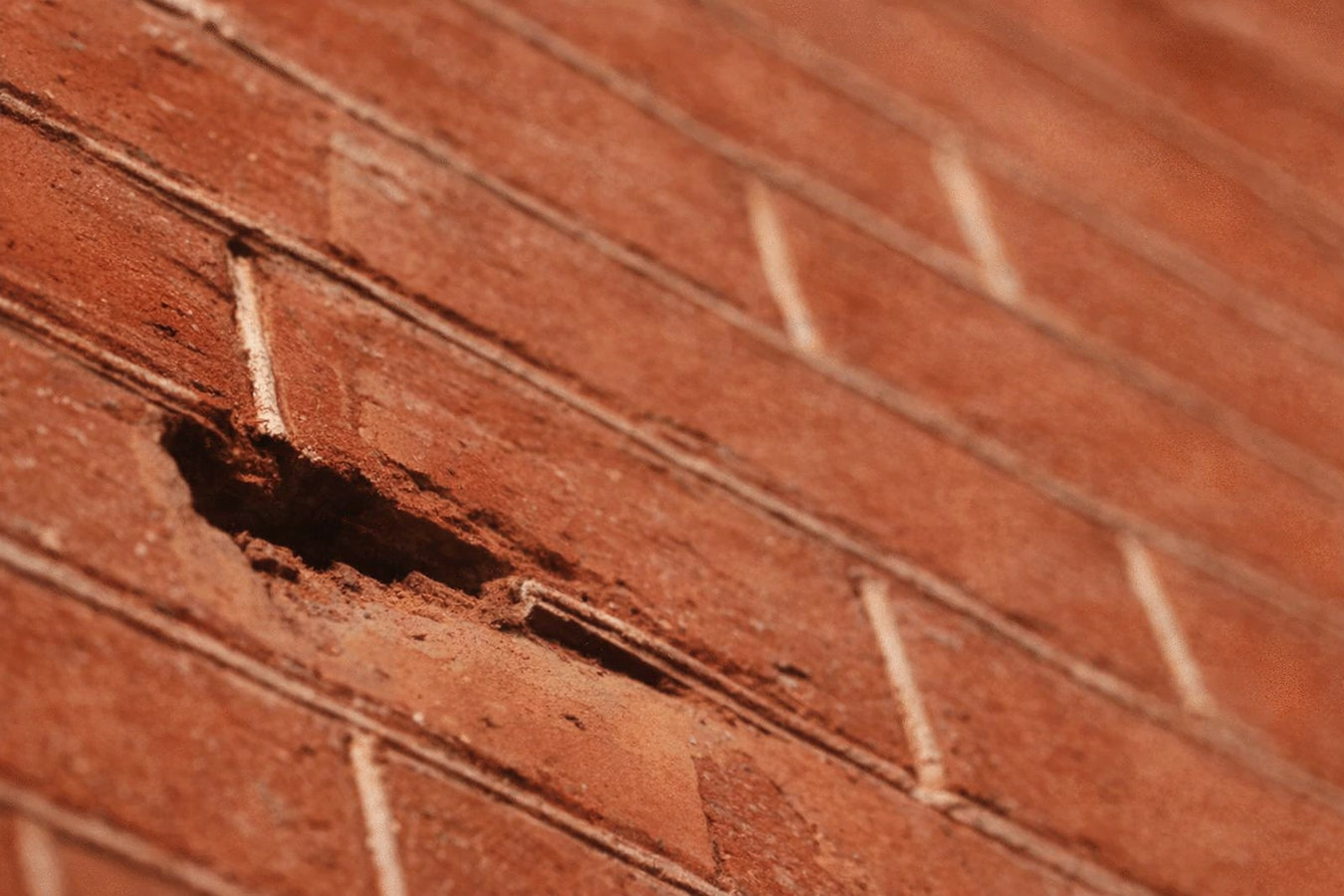
Older homes near downtown Livermore often have original brick chimneys, garden walls, or decorative accents that have been weathering since the mid-20th century. Spalling, crumbling mortar, and displaced bricks are common at this age, and prompt repair prevents further water intrusion that can damage the structure behind the brick face.
Homes in Livermore with larger lots - particularly in the South Livermore and Murietta areas - often have long entry walks or side-yard paths that need to handle both heavy foot traffic and surface drainage during winter rains. Flagstone and paver walkways on a proper compacted base hold up better in Livermore's soil than poured concrete over uncompacted fill.
Livermore's housing stock spans a wider age range than most Tri-Valley cities. The blocks nearest downtown include homes from the 1910s through the 1950s - some with original wood-frame construction and foundations that predate modern seismic codes. Moving outward, the city transitions into postwar ranch homes from the 1960s and 1970s, and then into larger subdivisions built through the 1990s in the Springtown and north Livermore areas. Each of these eras brings different masonry and concrete needs. Older homes near downtown may have deteriorating brick foundations or chimneys that have never been repointed. Ranch homes from the 1960s often have original concrete flatwork that is now fractured from 50 years of clay soil movement. Newer homes are hitting the point where mortar joints, sealants, and surface finishes need their first major attention.
The climate adds another layer. Livermore sits inland from the coastal fog belt and gets significantly hotter than most Bay Area cities in summer - temperatures above 95 degrees Fahrenheit are routine from June through September, and 100-degree days happen most years. That heat dries out mortar joints, causes caulk to fail, and bakes concrete surfaces faster than in cooler cities nearby. Then winter brings concentrated rainfall - usually 14 to 16 inches between November and March - that drives moisture into any crack opened by summer heat. The freeze-thaw cycle is mild compared to colder climates, but occasional overnight frost in December and January is enough to expand water in hairline cracks and widen them over time. The result is that masonry and concrete surfaces in Livermore age faster than homeowners expect.
Our crew works throughout Livermore regularly, and we pull permits through the City of Livermore Community Development Department for structural masonry work. We are familiar with both the older downtown-area properties that require care around existing masonry and the newer Springtown and north Livermore subdivisions where HOA requirements and newer materials are the norm.
Livermore's main east-west corridor is Interstate 580, which runs along the southern edge of the city and connects the Tri-Valley to the broader Bay Area. The downtown district along First Street has gone through significant renovation over the past two decades and now anchors a walkable mixed-use core. Just outside the city limits to the east and south, the Livermore Valley wine country begins - dozens of wineries line the roads through this area, and homes on the city's edge often have larger lots that border vineyard land. Lawrence Livermore National Laboratory, one of the country's largest research facilities, sits on the southeast edge of the city and is its most significant employer and institutional landmark.
We serve homeowners throughout Livermore and in nearby Pleasanton to the west, which shares Livermore's clay soil conditions and similar housing age profile. Projects that span both cities are not uncommon, and we coordinate across both without issue.
Contact us by phone or through the form on our site. We respond to every Livermore inquiry within one business day and ask a few questions about the problem before scheduling your site visit.
We visit your Livermore property and assess both the visible damage and the underlying causes - soil conditions, drainage patterns, and age of existing materials. You receive a written, itemized estimate with no obligation to proceed, and we tell you upfront whether a City of Livermore permit is required.
Every project begins with correct base preparation - addressing drainage and soil compaction before any new masonry or concrete goes down. Skipping this step is why repairs fail quickly in Livermore's clay soil environment, and we do not skip it.
We walk the finished work with you before we leave and make sure all required City of Livermore inspections are completed and closed. Permitted work appears correctly in your home records, which matters when you sell.
We serve all Livermore neighborhoods - from the older streets near downtown to the newer subdivisions off Portola Avenue. Free estimates with no pressure.
(925) 536-0012Livermore is a city of about 92,000 people at the eastern edge of the Tri-Valley in Alameda County. It is one of the older settled cities in the region, with a historic downtown dating to the 19th century and a housing stock that spans from early 20th-century cottages near First Street to large planned subdivisions built through the 1990s in areas like Springtown and north Livermore. The city is best known nationally as the home of Lawrence Livermore National Laboratory, one of the country's premier research institutions, and Sandia National Laboratories California, both of which are major local employers and give the city a large base of long-term owner-occupants. About 60 to 65 percent of Livermore homes are owner-occupied, above the California average, which means residents here tend to invest in upkeep rather than deferred maintenance.
To the east and south of the city, Livermore borders the wine country of the Livermore Valley - one of California's oldest wine appellations - where rolling hills and vineyard rows are a defining part of the local landscape. Homes on the city's south and east edges often sit on larger lots near this open land. The Livermore Premium Outlets on the east side of the city and the downtown restaurant and entertainment district on First Street anchor the commercial life of the area. Neighboring Pleasanton to the west is connected by Isabel Avenue and shares much of Livermore's clay soil profile, and Dublin to the northwest via I-580 is the other primary neighboring city in the Tri-Valley corridor we cover.
Restore structural integrity and stop foundation damage before it spreads.
Learn MoreBuild strong retaining walls that control erosion and shape your landscape.
Learn MoreEnhance any surface with natural stone veneer for lasting curb appeal.
Learn MoreConstruct solid concrete block walls for privacy, security, and stability.
Learn MoreInstall block foundation walls with precision for long-term structural support.
Learn MoreCreate a custom outdoor kitchen built from premium masonry materials.
Learn MoreLay traditional brick walls that combine classic style with structural strength.
Learn MoreRepoint brick joints to stop moisture intrusion and restore facade integrity.
Learn MoreWhether your home is from the 1950s or the 1990s, Livermore's clay soils and hot summers create masonry needs that we know how to solve. Call now and we will come out to take a look.