
Loading...
Serving Dublin, CA and surrounding areas. (925) 536-0012
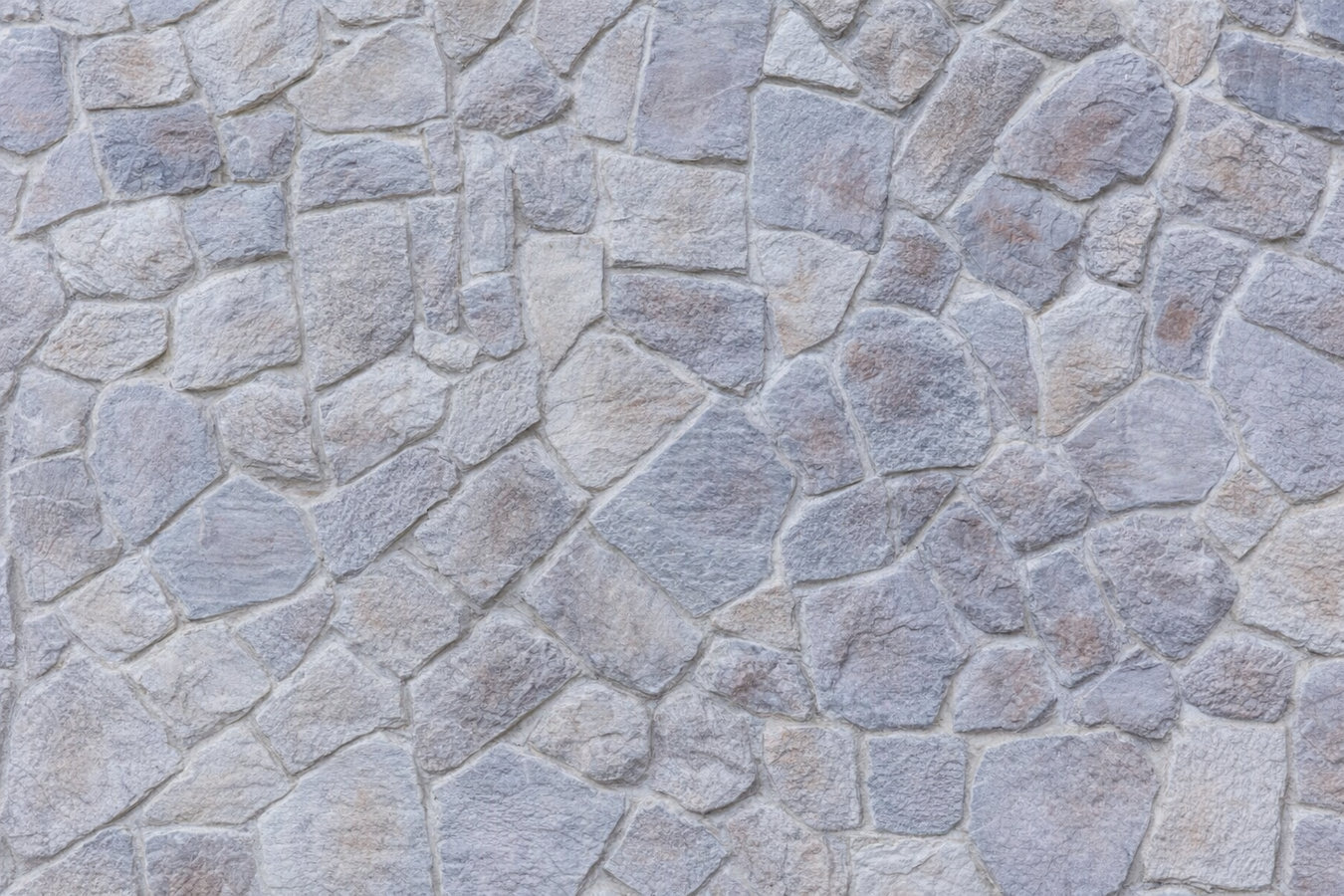
Dublin clay soils move with every wet and dry season - stone work that skips proper base preparation starts showing cracks and settlement within a few years, no matter how good the stone itself looks.
Stone masonry in Dublin, CA means building or repairing structures using natural or manufactured stone - set in mortar or dry-laid on a compacted gravel base - with most small projects taking one to three days and larger patios, retaining walls, or exterior cladding running one to two weeks or more depending on size and complexity. The foundation work is invisible once the job is done, but it is what determines whether your stonework stays level and intact through Dublin winters. Dublin clay soils expand and contract with every wet and dry season, and any mason who does not build a base deep enough to handle that movement is handing you a problem that will show up within a few years.
Most homeowners contact us because they are adding an outdoor living space and want a stone patio, wall, or garden border that holds up to the heat and looks good for years. Others have existing stonework that is settling, cracking, or showing worn mortar joints. If your existing masonry needs mortar restored, our brick pointing service handles joint repair without tearing out sound stone.
For retaining walls over four feet tall and masonry structures attached to your home, Dublin requires a building permit. We pull the permit, submit the plans, and schedule the city inspection so you are not navigating that process yourself.
If you can see a wall starting to tilt away from the slope it is holding back, or if diagonal cracks are running through the stone or mortar, the wall is under stress it was not designed to handle. In Dublin, this often happens because expansive clay soil has pushed against the back of the wall over several wet seasons. A failing retaining wall can collapse without much warning and damage your yard, your neighbor's property, or anyone nearby - so this warrants a prompt assessment.
When sections of a stone patio or path drop lower than the surrounding area, or when individual stones rock underfoot, the base beneath has shifted or settled. Dublin clay soils expand and contract with the seasons, and over time that movement works its way up through even a well-built patio. Uneven surfaces are also a tripping hazard, which makes this worth addressing sooner rather than waiting until more sections are affected.
Run your finger along the lines between stones on a wall or patio edge. If the mortar crumbles away easily, feels hollow, or has gaps where it used to be solid, the joints need to be cleaned out and refilled. This is a much smaller job than rebuilding, but if you ignore it, water gets into the gaps and speeds up damage through Dublin's wet winters. Catching it early keeps the repair cost manageable.
If you have wood-framed raised garden beds, wood retaining borders, or wood fencing along a slope and you are thinking about fire safety, stone masonry is the natural replacement. Dublin sits in a zone where CAL FIRE recommends reducing combustible materials within 100 feet of your home as part of a defensible space plan. Stone is non-combustible, and replacing wood landscape features with stone is one of the most practical fire-risk reductions available to Tri-Valley homeowners.
Every stone masonry project we build starts with site preparation - excavating the area, removing old material, and laying a compacted gravel base deep enough to handle the clay soil conditions at your specific property. For retaining walls, drainage material goes behind the wall as it rises so water pressure does not build up in the soil and push the wall over. The mortar we use is matched to the stone type and the expected weather exposure so the joints stay solid through Dublin summers and wet winters alike. When you want the clean, mortared look of a traditional stone wall or patio edge, we set every stone by hand and cut pieces to fit so the joints are consistent and tight - not propped up with excess mortar to cover sloppy work.
For homeowners who prefer a lighter-weight stone product on an existing wall or home exterior, our stone veneer installation service provides the look of full stone without the structural requirements of a full masonry build. For existing mortar joints that have worn down but where the stone itself is still in good shape, our brick pointing service restores joint integrity without replacing sound material.
For sloped Dublin properties that need a wall to hold back soil - built with drainage behind the wall and a footing sized for the load and soil conditions.
For homeowners who want a durable, heat-tolerant outdoor surface that holds up to Dublin summers - set on a stable base designed for clay soil movement.
Lower stone features for landscape edging or raised planters - a practical fire-safe replacement for wood borders in Tri-Valley fire-risk zones.
Stone applied to the face of an existing wall or home exterior - suited to homeowners who want a natural stone look without a full structural masonry build.
Dublin sits in the Tri-Valley area of Alameda County on clay-heavy Altamont soils that expand in wet weather and contract in dry summer heat. That seasonal movement is normal for this area, but it is hard on masonry that was not built with it in mind. A retaining wall footing that works fine in sandy soil will tilt or crack within a few years on Dublin clay - which is why base preparation is the most important part of any stone project here, even though it is the part you never see once the job is finished. Stone is also one of the smartest material choices for the Tri-Valley fire environment: CAL FIRE recommends reducing combustible materials within 100 feet of your home, and replacing wood landscape features with stone is one of the most direct ways to do that. We have seen more homeowners in Pleasanton and across Dublin make that shift in recent years.
Dublin summers regularly push above 90 degrees Fahrenheit, which affects both the mortar curing process and how comfortable your finished outdoor space actually is. A good mason schedules mortar work for cooler parts of the day during heat waves and thinks about stone color and placement before laying the first piece - lighter tones and shaded orientations make a real difference on a patio you plan to use from June through September. Dublin also has many HOA-governed neighborhoods, especially in newer developments. Homeowners in communities like those near San Ramon are familiar with design review requirements, and we provide the drawings and material samples HOA boards typically need before approval.
Call or fill out our contact form. We will ask a few basic questions - what you want to build, roughly how large the area is, and whether you have any photos. We reply within one business day and schedule a site visit at a time that works for you.
We walk the site with you, check slope, drainage, and soil conditions, and ask about your goals for stone type, color, and style. A written estimate follows - usually within a few days. For smaller, straightforward jobs, the estimate is free.
For Dublin retaining walls over four feet or structures attached to your home, we handle the permit application and inspection schedule. If your neighborhood has HOA design review, we provide drawings and material samples. This step can add one to three weeks, so we factor it into the timeline upfront.
The crew excavates, prepares the base, and sets stone by hand - cutting pieces to fit as needed. Expect noise from stone saws and some dust. Once work is complete, mortar joints need 24 to 48 hours before light foot traffic. We clean the site and walk through the finished work with you before leaving.
No pressure, no phone estimates. We come to your site, assess the conditions, and give you a written quote. Reach out today and we will get back to you within one business day.
(925) 536-0012Dublin's Altamont clay soils require a compacted gravel base deeper than standard specs assume. We account for the local soil conditions before the first stone goes in - not after a wall starts leaning. That preparation is what separates a stone feature that looks the same in ten years from one that settles and cracks after the first few wet seasons.
We handle the City of Dublin permit process for walls and structures that require it, and we provide the drawings and material samples HOA boards typically need for design review. You should not have to navigate either process on your own - we have done it enough times locally that neither one slows us down.
California requires a C-29 masonry contractor license for jobs over $500. You can verify any license on the California Contractors State License Board website in about 30 seconds. We carry an active license and the insurance that goes with it - which protects you if anything goes wrong on your property during the work.
We are familiar with CAL FIRE defensible space requirements and can advise how stone masonry fits into a fire-safe landscape plan for your Dublin property. Replacing combustible wood landscape features with stone is one of the most practical improvements Tri-Valley homeowners can make - and we build it to last, not just to look good on day one.
Stone masonry done right in Dublin means solving for the soil and the climate - not just laying stone and hoping the base holds. Every project we take on gets the same foundation work we would want under our own property. The Mason Contractors Association of America publishes standards for quality masonry work - we build to those standards on every job.
Restore the mortar joints on existing stone or brick structures before water infiltration causes deeper damage to the masonry behind them.
Learn MoreAdd the look of full stone to an existing wall or home exterior using a lighter-weight veneer product sized for Dublin HOA design guidelines.
Learn MoreSpring and fall booking slots fill fast - contact us now to lock in your preferred start date before the season gets away from you.