Loading...
Serving Dublin, CA and surrounding areas. (925) 536-0012
Dublin Masonry & Concrete provides masonry contractor services in Castro Valley, CA, specializing in brick repair, retaining wall construction, and foundation repair for the area's postwar hillside homes. We have served the East Bay since 2018 and reply to every inquiry within one business day.
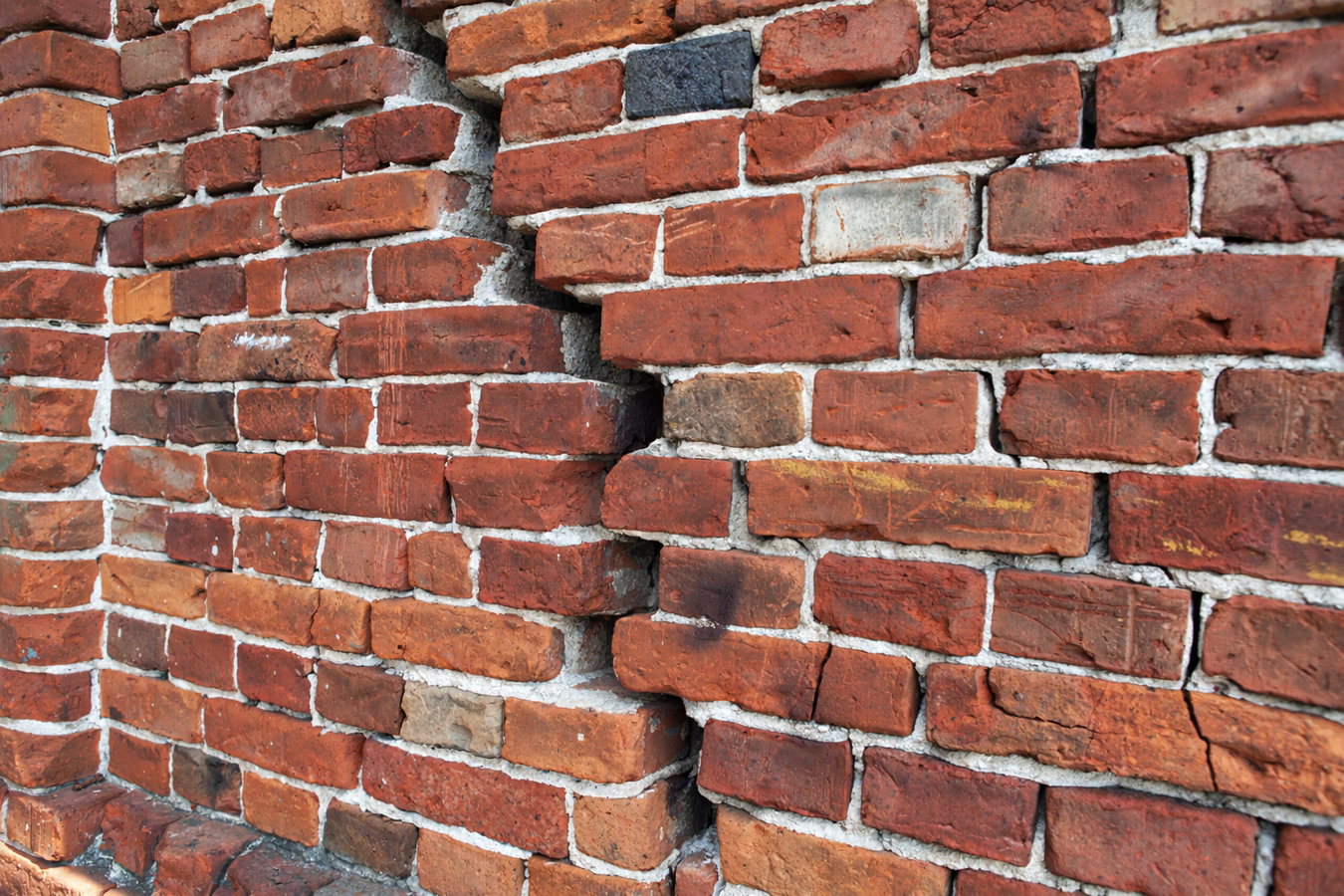
Castro Valley homes built in the 1950s and 1960s often have original brick chimneys and garden walls that have been weathering through 60 years of wet winters and dry summers. Our brick repair work addresses spalling faces, crumbling mortar, and displaced bricks before water gets behind the wall and causes structural damage to what is behind it.
A large share of Castro Valley homes sit on hillside lots where sloped yards put constant pressure on retaining walls. The East Bay clay soil saturates during winter rains and applies significant lateral force on aging concrete and timber walls, making proper drainage design and footing depth critical to any wall built here.
Postwar homes in Castro Valley were built on slab or raised foundations that have been moving with the clay soil for half a century or more. Diagonal cracks from door corners and sticking windows are common signs that the foundation has shifted, and addressing them early prevents the repairs from becoming significantly more expensive.
Marine fog and winter rain keep Castro Valley masonry surfaces damp for extended stretches, and that persistent moisture breaks down mortar joints faster than in drier inland cities. Tuckpointing before the rainy season - replacing open joints on chimneys, brick planters, and block walls - is one of the most cost-effective ways to protect older Castro Valley masonry.
Original concrete driveways on Castro Valley homes from the 1960s are now cracked and heaved from decades of clay soil movement beneath them. Paver replacements perform better in this soil type because they can flex slightly with ground movement rather than cracking through, and they give hillside properties better surface drainage than poured slabs.
Hillside properties in Castro Valley often have entry walks and side-yard paths that must handle both foot traffic and surface drainage from winter rain running downslope. Properly graded paver or flagstone walkways with a compacted base manage that runoff without sending it pooling against the foundation.
Castro Valley grew rapidly after World War II, and the majority of its housing stock dates from the 1950s through the 1970s. These homes are now 50 to 70 years old. At that age, original brick chimneys, garden walls, and concrete flatwork have been through decades of Castro Valley's wet-dry climate cycle. The community sits in the East Bay hills, and a significant portion of its homes are on sloped lots where hillside conditions add drainage demands and soil pressure that flat-yard homes do not face. Retaining walls that were adequate when the homes were built are now showing the accumulated stress of clay soil movement and seasonal saturation. Many of these walls were built with timber or unreinforced concrete that has limited remaining service life.
The climate compounds the challenge. Castro Valley is close enough to the Bay that marine fog rolls in regularly during spring and fall, keeping outdoor surfaces damp for extended periods. Wood, brick, and mortar exposed to repeated moisture cycles deteriorate faster than in drier inland areas. Winter brings real rainfall - around 20 to 25 inches annually - concentrated in the November through March window. The combination of fog-driven moisture in shoulder seasons and heavy winter rain means masonry surfaces rarely dry completely for five or six months of the year. By contrast, summer heat and dry conditions cause the same materials to crack and open up, creating entry points for the following winter's moisture. This cycle repeats every year, and it is what accelerates wear on Castro Valley masonry beyond what age alone would produce.
Our crew works throughout Castro Valley regularly, and because Castro Valley is an unincorporated community in Alameda County, structural masonry permits are handled through Alameda County Building Services rather than a city building department. We understand that process and pull permits through the county for any structural work requiring inspection.
Castro Valley Boulevard is the main commercial corridor running through the center of the community, and most residential neighborhoods spread out into the surrounding hills from there. Homes near Lake Chabot Regional Park on the eastern edge of Castro Valley tend to sit on larger, more steeply sloped lots where retaining walls and drainage are regular concerns. Properties closer to the Castro Valley BART station on the valley floor are more typically flat-lot ranch homes, though even these sit on the same clay soil that affects the whole community. The I-580 corridor runs through the southern portion of the area and connects Castro Valley to both the Oakland-Berkeley flatlands to the west and the Tri-Valley to the east.
We serve Castro Valley homeowners and work regularly in nearby Hayward to the south and in San Leandro to the northwest - both share Castro Valley's housing age profile and clay soil challenges. Jobs that span the area boundary are not uncommon, and we coordinate across the whole East Bay hills corridor without issue.
Contact us by phone or through the form on this site. We respond to every Castro Valley inquiry within one business day, including weekend contact forms submitted by homeowners who spot a problem on Saturday.
We visit your property, assess the masonry condition, and give you a written estimate before any work begins. There is no obligation to proceed, and the estimate covers all work scope so there are no surprises in the final bill.
For structural work requiring an Alameda County permit, we handle the permit application and schedule the job once the permit is issued. You do not need to contact the county building department yourself.
We complete the work on the agreed schedule, walk the site with you before leaving, and give you any curing or maintenance notes for new mortar or concrete work. Most brick and tuckpointing jobs are complete in one to two days.
We serve Castro Valley homeowners from the valley floor to the hillside neighborhoods near Lake Chabot. Send us your details and we will respond within one business day.
(925) 536-0012Castro Valley is an unincorporated community of roughly 61,000 residents in the hills of southern Alameda County, about 25 miles southeast of San Francisco along the I-580 corridor. Unlike most Bay Area communities, Castro Valley has no city government of its own - it is governed by Alameda County, which means permits and code enforcement go through the county rather than a local city hall. The community has a high homeownership rate and a stable, long-term resident base, in part due to the well-regarded Castro Valley Unified School District, which has drawn families to the area for decades.
The housing stock is predominantly single-family homes built between the early 1950s and the mid-1970s, with ranch-style and split-level designs making up most of the inventory. The community splits between flatter streets near the valley floor - close to Castro Valley Boulevard and the BART station - and steeper hillside neighborhoods that climb toward Lake Chabot Regional Park and the open space ridgelines to the east. Hillside lots make up a significant share of the total and come with the retaining wall and drainage demands that flat-lot neighborhoods do not face. Neighboring San Leandro to the north and Hayward to the south share Castro Valley's East Bay hills character and its mid-20th-century housing profile.
Restore structural integrity and stop foundation damage before it spreads.
Learn MoreBuild strong retaining walls that control erosion and shape your landscape.
Learn MoreEnhance any surface with natural stone veneer for lasting curb appeal.
Learn MoreConstruct solid concrete block walls for privacy, security, and stability.
Learn MoreInstall block foundation walls with precision for long-term structural support.
Learn MoreCreate a custom outdoor kitchen built from premium masonry materials.
Learn MoreLay traditional brick walls that combine classic style with structural strength.
Learn MoreRepoint brick joints to stop moisture intrusion and restore facade integrity.
Learn MoreCastro Valley homes on hillside lots and clay soils need masonry work done right the first time. Call today or submit the form and we will get back to you within one business day.